Every visit, the family at your desk makes a choice: come here again, or try the new place near the mall. You win that choice one ticket at a time — and every win needs a little marketing, a little luck, and a little good weather.
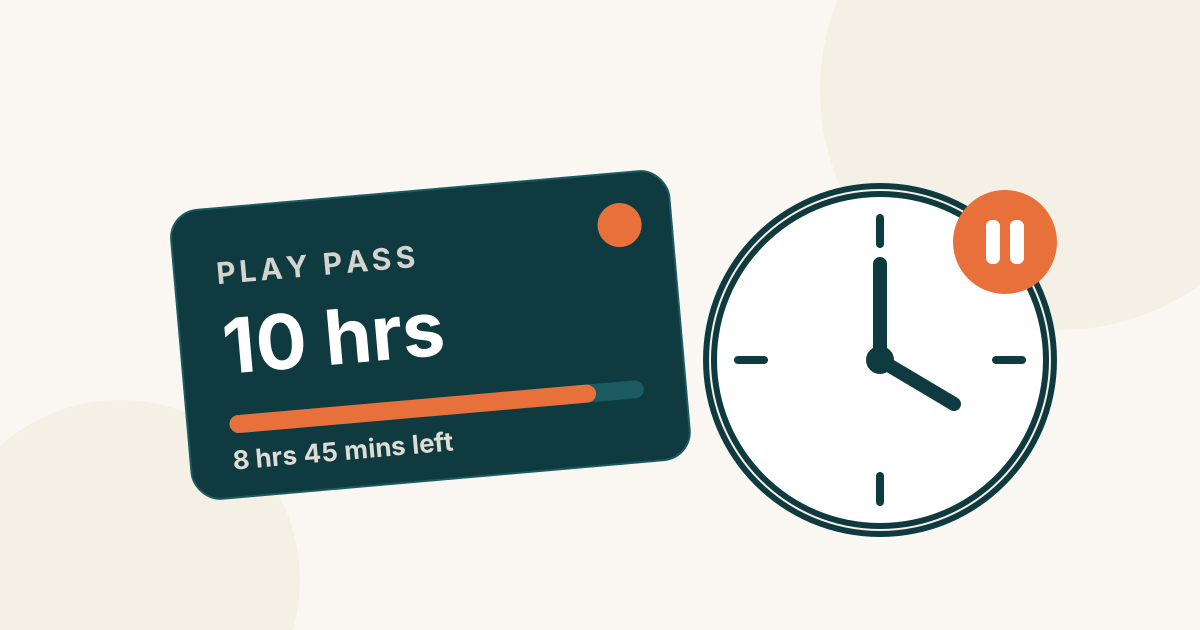
A 10-hour pass changes this. The family pays once — for ten hours of play. Now the choice is already made. The only question left is when to come. That is the whole trick: you stop selling one visit, and start selling the habit of coming back.
What the pass gives you
Three things. Only the first one shows up in the cash box:
- Money today, for play that happens later. One sale at the desk brings in what would normally arrive over two or three months of maybe-visits — if the family came back at all.
- A reason to come back, without sending one message. The parent remembers: "we still have six hours left." Money already paid but not used feels like a waste — studies show people make sure they use what they have paid for. The pass plans the family's next weekend for you.
- Every pass visit still buys socks and snacks. Our sock post showed how much money walks in next to the ticket. More visits means more of that too.
Why paper cards fail
If the pass is this good, why do most centres still sell one ticket at a time? Because on paper, the only pass you can run is a punch card. And a punch card has one rule: one visit = one punch. It does not matter if the visit was 20 minutes or 2 hours.
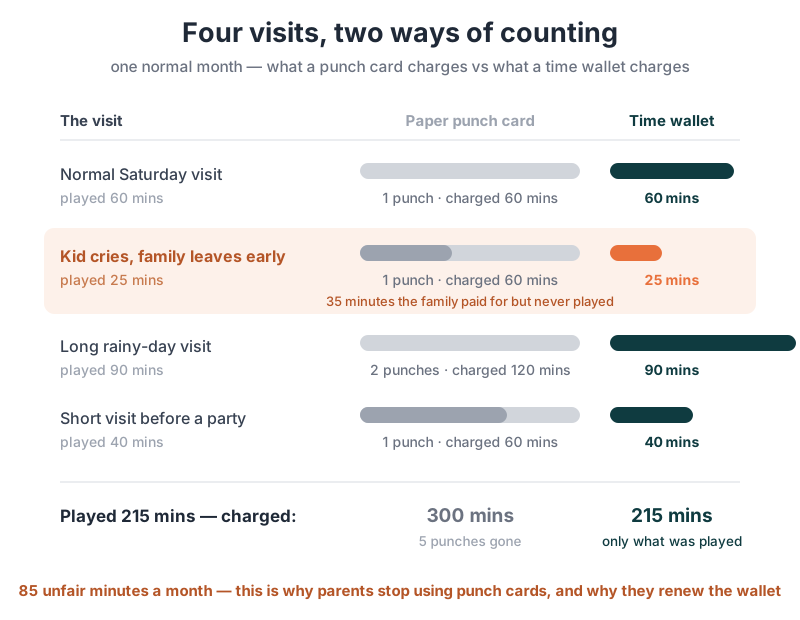
Look at what that rule does in a normal month. The kid cries and goes home after 25 minutes — full punch. A short visit before a birthday party — full punch. Parents see this very quickly. So they save the card and use it only for long visits. The pass stops being useful.
Then your staff make it worse — by being kind. The desk also feels it is unfair, so they skip punches to help the family. Now the pass never runs out, and your discount becomes a slow leak you cannot see. The paper pass loses both ways.
The real problem is trust. The family paid first, so all the risk is on them. Every rounded-up hour, every "we'll count that as one", every messy card they cannot check — it feels like you are taking money they already gave you. Prepaid only works when the family can see that it is fair.
Fair, because the software does the counting
This is the part we built. On PlayOps, the pass is a time wallet. It follows rules a punch card never can:
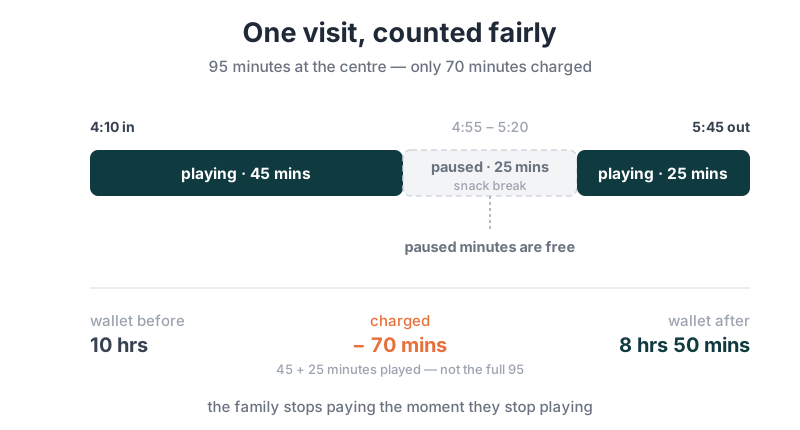
- It counts real minutes. The wallet is charged only for the minutes the child actually played. A 15-minute visit costs 15 minutes — not a full hour.
- A pause button. Lunch break, a small injury, a phone call — the desk taps pause, and paused minutes are free. The family stops paying the moment the child stops playing.
- The parent can see the balance. "8 hrs 45 mins" on the screen and on the bill — not punch marks on a card in a drawer.
- Buy the pass any time — even mid-visit. The parent decides to buy while the kid is already playing? The pass covers that visit too. No need to check out and enter again.
- Renewals waste nothing. The family buys a new pass while 40 minutes are left on the old one? The wallet always uses the older pass first. No minutes are ever lost.
No parent asks for these things by name. But together, they are the reason a parent can hand you ₹2,200 in advance and feel safe — and a parent who was treated fairly for ten hours buys the next pass.
One warning: a pass with a short expiry or hidden rules is worse than no pass at all. A family that loses unused hours will not just stop coming — they will tell other families. Give a long validity (3–6 months) and let the desk warn them before it runs out.
How to price it
Keep the math simple enough to say out loud at the desk:
- 20–25% below your hourly rate. A ₹280/hr centre → 10 hours for ₹2,100–2,250. Big enough to answer "why pay in advance?". Small enough that you still earn on every visit.
- Do not block weekends. "Weekdays only" brings back the fine print you just removed. If weekends are too full, give a weekday bonus instead — 11 hours for the price of 10.
- Sell it on the second visit, not the first. The first visit is a trial. The second visit means the family is becoming regular. That is the moment "the pass would save you money" sounds like help, not like selling.
What to do this week
- Make one pass. 10 hours, 20–25% off, valid 3–6 months. One pass is easy to say yes to. A menu of passes is a confusing choice.
- Tell the desk when to offer it. On the second visit, or when a family pays for two kids. Those are the pass moments.
- Say the fairness out loud. "You pay only for the minutes they play, and we pause it if you take a lunch break." This one line sells more passes than the discount does.
- Watch one number. Passes sold × hours left in them. That is future visits you have already been paid for — the closest thing a play centre has to fixed monthly income.
Where PlayOps fits
Everything above is one feature on PlayOps: hour banks. The desk sells the pass on the same screen it uses to admit kids. The wallet counts the minutes by itself. Pauses are free. The balance shows as "8 hrs 45 mins". A pass bought mid-visit covers the visit that is already running. You do not have to train your staff to be fair — the system counts fairly on its own.
A punch card asks the family to trust your drawer. A time wallet shows them the count. The pass was never really a discount. It is the clearest way to tell a family: we expect to see you again.