A mother's phone buzzes on a Tuesday: "Advik turns 6 on Sunday! 🎉 His birthday-week surprise is waiting at the desk." She reads it twice. Then she shows her husband.
Nothing was sold. Something bigger happened: a business remembered her child. This isn't a party-packages pitch — though you'll see how the party books itself at the end.
Why it hits so hard
- It's about her kid, by name, on his day — the one subject no parent tunes out. Promotions are noise; this is personal.
- Small personal gestures demand a return. In a well-known tipping study, one personal note on the bill lifted tips from ~17% to ~20%. That's reciprocity: she now wants a reason to choose you.
- Anticipation is half the gift. A reminder a week early buys seven days of "we're going for his birthday!" at the dinner table.
- Peaks get remembered. By the peak-end rule, families judge a visit by its best moment — the desk saying "Advik! The birthday boy!" is that moment, and it costs nothing.
The proof it converts, from Experian's birthday-email research — same audience, same channel, the only difference is the message is about the customer:
481%higher transaction rate vs promo messages342%more revenue per message+502%best performer: mystery gift offersMake it a gift, not a discount
"20% off this week!" reads as a scheme. "Advik plays free during his birthday week" reads as generosity — and generosity is what triggers the urge to give back. Three offers that work:
- Birthday kid plays free, birthday week — friends and siblings pay normal price. One free admission usually walks in with three paid.
- A mystery gift at the desk — a ₹50 toy handed over with ceremony reads as treasure.
- Double play time, same price — zero cash cost on a weekday floor.
One rule above all: send the wish even when there's nothing to sell. "Happy birthday Advik 🎂" with no offer still makes you "the place that remembered."
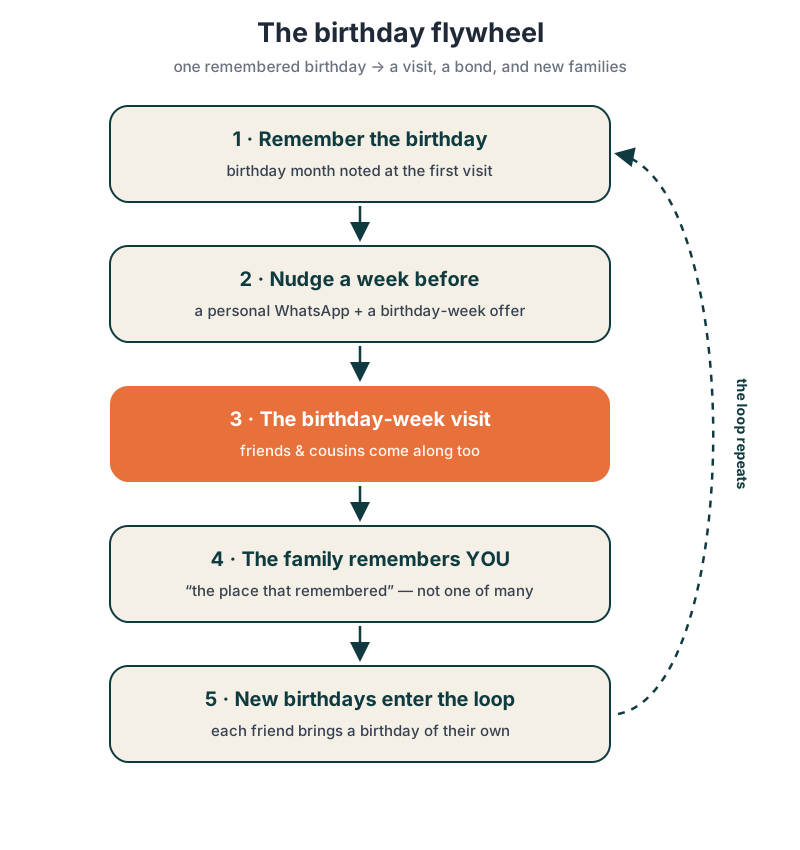
And birthday kids don't come alone — cousins and best friends arrive too, each a new family with a birthday of its own.
The playbook: three beats
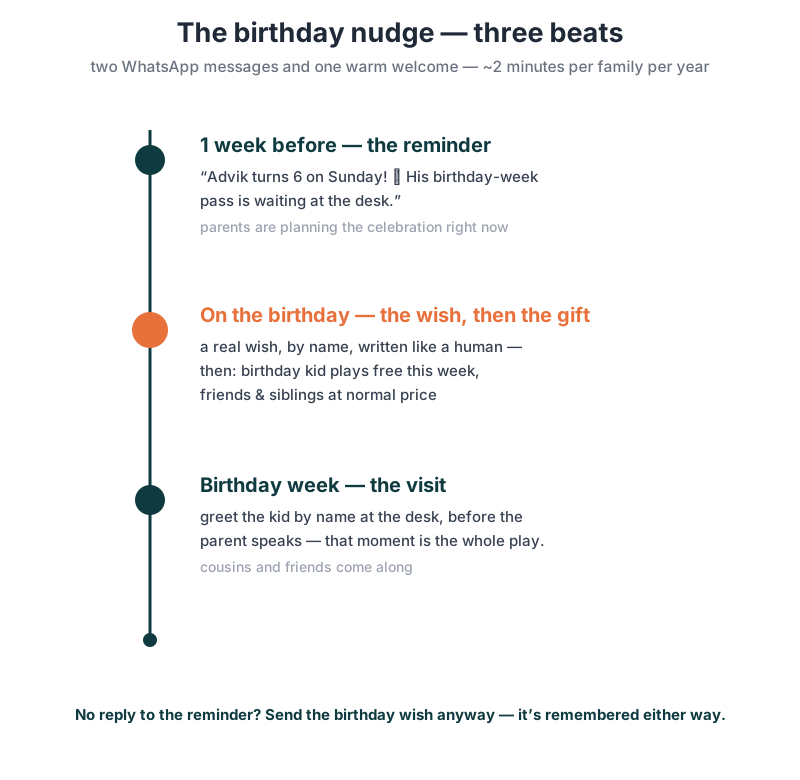
- One week before: one WhatsApp — name, date, waiting surprise.
- On the day: the wish first, written like a human. The gift second.
- Birthday week: brief the desk to greet the kid by name before the parent speaks.
~300 families on file ≈ 25 birthdays a month ≈ under an hour of sending.
The date is the asset
All of it runs on one field of data: the birthday, asked once at first admission. Month and day, no forms.
The kicker you never pitch: your reminder lands exactly when the family is deciding how to celebrate. Indian parents spend ₹15,000–45,000 on a child's birthday — that enquiry was going to some venue. It goes to the one that remembered. You didn't sell the party; the relationship did.
Where PlayOps fits
PlayOps keeps every child's visit history tied to the parent's WhatsApp number — one place to see whose birthday falls this week. Guided sending goes one family at a time: prefilled with the child's name, editable, tap-to-send from your own number — personal at scale, which is the entire point. And if the reminder becomes a party, the whole group admits as one floor entry with the birthday kid's name on it.
One date per family. Two messages and a hello. That's the whole system.